

The question used to sound absurd. FanDuel is one of the most recognized names in online gambling, backed by a global corporation and embedded in the fabric of American sports culture. How could a crypto casino launched in 2026 even belong in the same sentence? But the gambling market does not stay static, and what players want is evolving faster than most traditional operators are willing to adapt. ZunaBet is not trying to be the next FanDuel. It is trying to be the thing that comes after it. And when you put the two platforms next to each other, the case it is making starts to look pretty convincing.
FanDuel: Massive, Mainstream, and Built for a Specific Market
FanDuel grew out of the daily fantasy sports wave that started in 2009 and pivoted into legal sports betting when the US Supreme Court made that possible in 2018. Owned by Flutter Entertainment, the largest online gambling company in the world by revenue, FanDuel now operates across dozens of American states with both sportsbook and casino licenses.
The sportsbook is where FanDuel shines brightest. Major league coverage is comprehensive, the app experience is excellent, and odds stay competitive. Most industry observers consider it one of the top two or three sports betting products in the US. The casino arm, available where state law allows, provides a catalog of slots, table games, and live dealer content that rounds out the offering without being the main draw.
Everything on FanDuel runs on fiat currency. Bank accounts, cards, PayPal, Venmo — standard options that most American consumers are familiar with. Deposits process relatively quickly. Withdrawals are less consistent, with timelines ranging from same-day to multiple business days depending on the bank and the method.
New player promotions center on sportsbook incentives, usually structured as bonus bets or some variation of a protected wager. Casino bonuses are smaller and less prominently featured. Loyalty rewards follow a points model within the Flutter network, giving regular bettors a slow drip of credits and bonus bets in return for their volume. The program works but feels indistinguishable from what competing operators run.
FanDuel is an outstanding US sportsbook. Outside of that specific use case, the platform starts to look less differentiated.
ZunaBet: What Happens When You Start From Zero With a Full Blueprint
ZunaBet was not retrofitted from an older platform or spun out of an adjacent business. Strathvale Group Ltd launched it in 2026 with an Anjouan gaming license and a founding team with over 20 years of accumulated experience in gambling. They studied what was already on the market and then built something that goes past it in almost every measurable way.
Start with the games because the number alone demands attention. ZunaBet has over 11,000 titles in its library, pulled from 63 different providers. Pragmatic Play, Evolution, Hacksaw Gaming, Yggdrasil, and BGaming anchor the collection, with dozens of smaller studios adding depth across slots, RNG table games, and live dealer rooms. FanDuel’s casino, in the handful of states where it operates one, cannot approach this kind of variety. Neither can most dedicated casino platforms, crypto or otherwise.
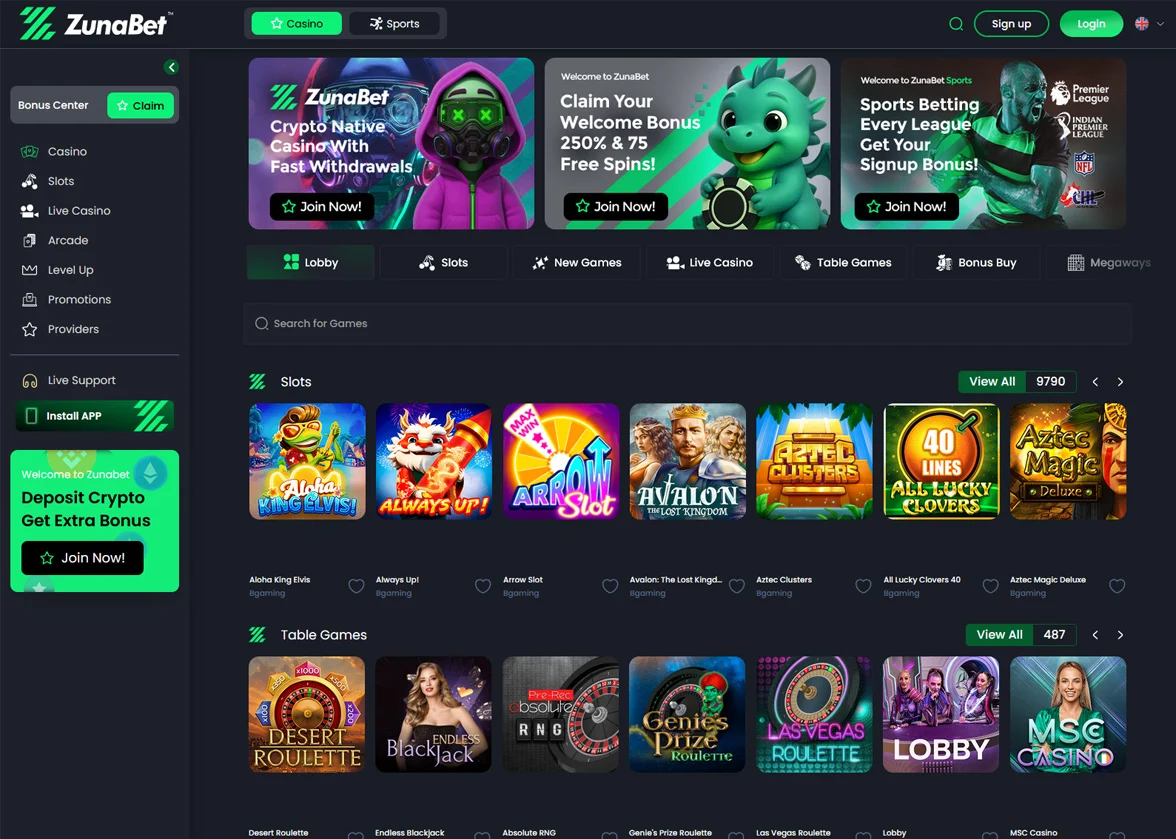
The sportsbook does not take a back seat to the casino. ZunaBet runs full markets on football, basketball, tennis, NHL, combat sports, and virtual sports. Esports coverage stands out in particular, with CS2, Dota 2, League of Legends, and Valorant all receiving the kind of dedicated attention that traditional sportsbooks still treat as an afterthought. FanDuel has stronger roots in American league betting and domestic market integration. ZunaBet answers with a global footprint and an esports product that takes the category seriously.
Crypto is not a feature on ZunaBet. It is the foundation. The platform accepts over 20 cryptocurrencies, covering BTC, ETH, USDT on multiple chains, SOL, DOGE, ADA, XRP, and many more. No transaction fees from the platform. Withdrawals that process quickly without third-party bottlenecks. No banking infrastructure sitting between the player and their funds adding days and costs to every transaction. For the growing number of gamblers who live financially in the crypto ecosystem, this is not a nice-to-have. It is the reason they choose a platform.

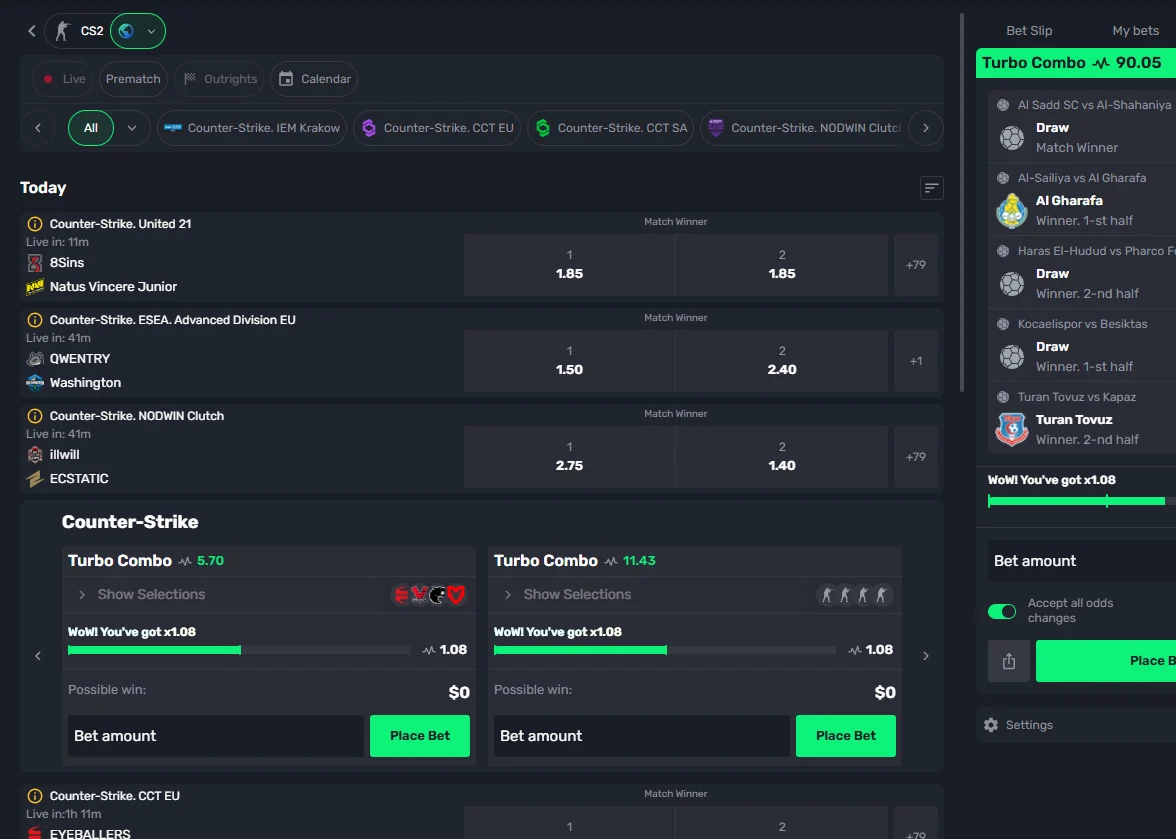
The welcome bonus reaches $5,000 in matched deposits plus 75 free spins across three deposits. A 100% match up to $2,000 with 25 spins on deposit one, 50% up to $1,500 with 25 spins on deposit two, and 100% up to $1,500 with 25 spins on deposit three. That introductory offer carries substantially more value than what FanDuel extends to its casino players.
The technical package rounds everything out. Modern dark-themed HTML5 interface. Fast page loads. Responsive design. Native applications for iOS, Android, Windows, and MacOS. Live chat support available every minute of every day.
Loyalty That Feels Like It Was Designed by Gamers, Not Accountants
FanDuel rewards wagering with points inside Flutter’s loyalty ecosystem. Those points translate into bonus bets and platform credits. Tier mechanics exist but primarily benefit sportsbook players who generate high volumes. The program tracks spending and returns a percentage of it in a slightly different form. It is a spreadsheet disguised as a rewards program.
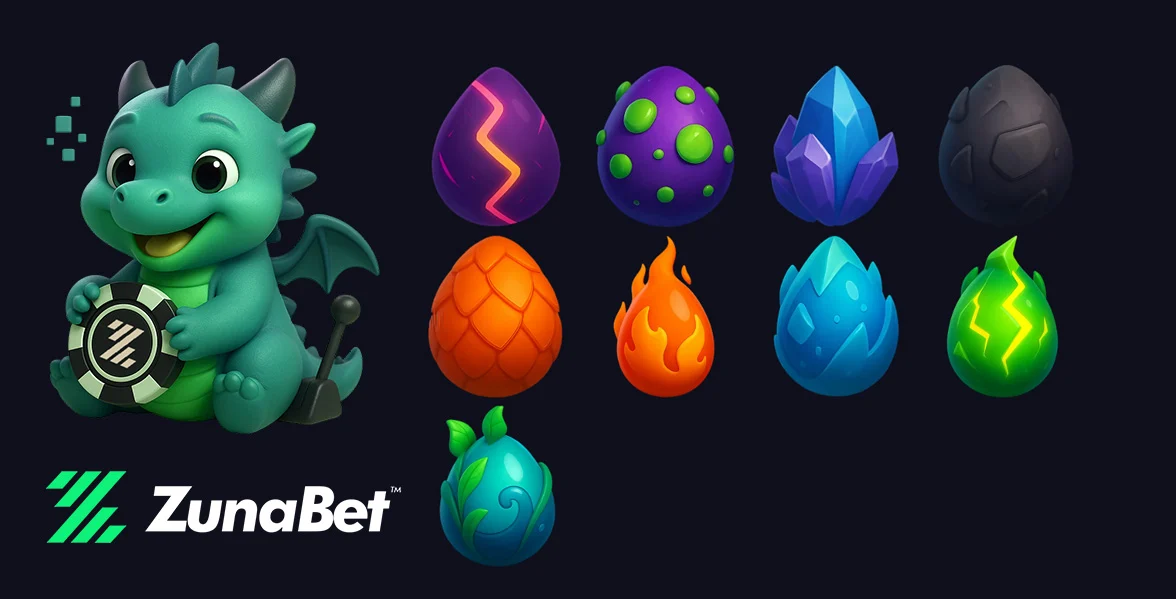
ZunaBet built something that people actually want to interact with. The loyalty system follows a dragon evolution theme with a character called Zuno at the center. Six tiers map out the journey — Squire, Warden, Champion, Divine, Knight, and Ultimate. Rakeback scales from 1% to 20% as players climb. Free spins packages grow to 1,000 at the upper levels. VIP club access and double wheel spins add further incentive along the way.
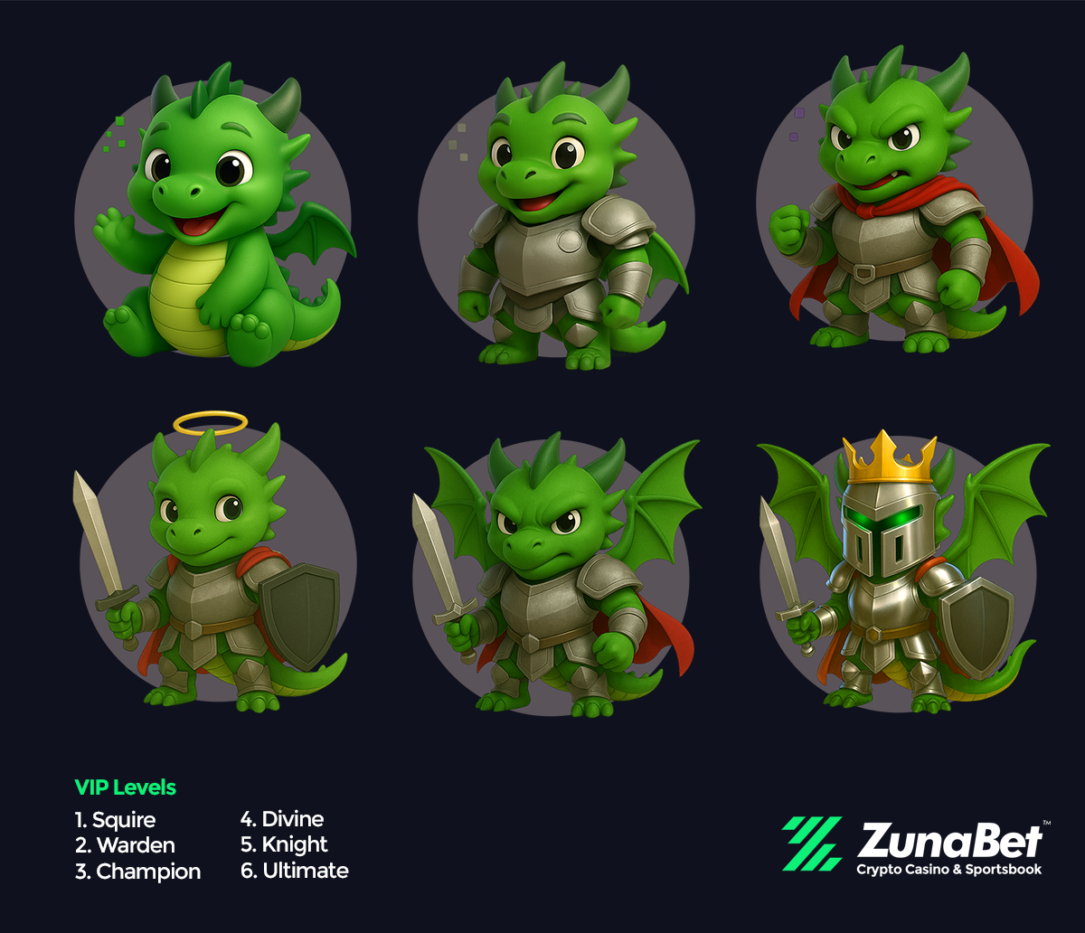
What sets this apart is not the theme alone but the psychology behind it. Visible progression, defined milestones, meaningful rewards at each stage, and a sense that advancing actually matters. It works the same way leveling systems work in games — you can see where you are, you know what comes next, and you have a tangible reason to keep going. That is a fundamentally different experience from watching a points balance inch upward with no clear destination. For younger players especially, this kind of structure feels intuitive and motivating in a way that traditional loyalty programs never have.
The Money Question
How money flows through a gambling platform affects every part of the player experience, and this is where FanDuel and ZunaBet exist in entirely different worlds.
FanDuel runs on rails laid down by the banking system. Deposits route through card networks and processors. Withdrawals travel back along those same paths, subject to bank processing schedules, weekday limitations, and institutional review periods. A player requesting their winnings on a Friday night may not see them until Tuesday or Wednesday. These are not delays FanDuel chose. They are baked into the infrastructure every fiat-based operator depends on.
ZunaBet sidesteps all of it. Crypto moves directly between player wallets and the platform. There is no processor in the middle, no bank deciding when to release funds, and no fee extracted for the privilege of moving money. Deposits confirm on the blockchain and appear in the account. Withdrawals follow the same direct path back. The speed difference alone is enough to change how it feels to use the platform, but the absence of fees on top of that makes the gap even wider.
This is not a matter of preference between two equivalent options. For players who operate in crypto, ZunaBet’s payment model is objectively faster, cheaper, and simpler. FanDuel’s model asks those same players to translate their money into a slower system, wait for institutions to process it, and accept costs along the way. That friction is becoming harder to justify as crypto adoption grows.
Different Players, Different Futures
FanDuel owns a massive piece of the US sports betting market and has every resource it needs to defend that position. Its audience is established, its brand is powerful, and its regulatory footprint is extensive. For mainstream American bettors, it remains a top-tier choice.
ZunaBet is playing a different game for a different audience. Its players hold diverse crypto portfolios, want access to thousands of games rather than hundreds, expect withdrawals measured in minutes rather than days, follow esports with genuine passion, and respond to gamified progression more than passive point collection. That audience exists today and it is expanding steadily as crypto becomes more mainstream and a new generation of digitally native players enters the gambling market.

ZunaBet launched months ago, not years. It does not have FanDuel’s decade-plus operational history. What it does have is a product that already surpasses what traditional operators deliver in game variety, payment flexibility, bonus generosity, and loyalty design. It arrived in the market not as a work in progress but as a finished statement about what online gambling should look like when legacy constraints are removed from the equation.
Whether a crypto-first platform can genuinely compete with the scale of a FanDuel is a question that will take time to fully answer. But looking at what ZunaBet has assembled on day one, dismissing it would be a mistake. The ground underneath online gambling is shifting, and ZunaBet looks like it was built on exactly the spot where it is heading.