

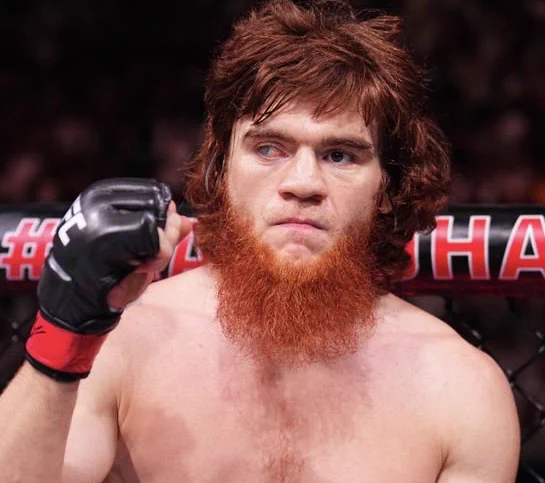
TLDR
- Shara Bullet postponed an eye doctor appointment before a scheduled rematch
- The fighter has opened up about her decision to delay medical care
- Vision problems can pose serious risks for combat sports athletes
- The incident highlights challenges fighters face with medical scheduling
- Bullet’s story has drawn attention to pre-fight health screenings
Sources: sports.yahoo.com
Mixed martial arts fighter Shara Bullet recently shared details about postponing a visit to an eye doctor before a rematch. The fighter’s admission has sparked conversations about athlete health management in combat sports.
Bullet discussed the decision to delay her eye examination despite having concerns about her vision. She was scheduled to compete in a rematch at the time she made this choice.
The exact nature of Bullet’s eye concerns has not been fully disclosed. However, vision problems can create serious risks for fighters who compete in contact sports.
🚨Shara Bullet claims he rejected 100 million rubles to lose his UFC fight against Michal Oleksiejczuk, saying his career mattered more than the money.
“I was offered it. I had a fight in the UFC. I was offered one hundred million rubles, one hundred million rubles to lose.… pic.twitter.com/F20Ze34FET
— Red Corner MMA (@RedCorner_MMA) November 16, 2026
Fighter Health and Medical Clearances
Combat sports organizations typically require fighters to pass medical examinations before competing. These screenings often include vision tests to ensure athletes can safely enter the cage or ring.
Bullet’s case raises questions about the timing of medical appointments and fighter preparation schedules. Many athletes face tight schedules that can make it difficult to address health concerns promptly.
The fighter has not specified whether the postponed appointment affected her performance or the outcome of the rematch. She also has not revealed if she eventually received the eye examination.
MMA fighters must maintain peak physical condition while managing various health concerns. Eye health is particularly critical for combat athletes who rely on sharp vision to react to opponents.
Some fighters have faced career-altering consequences from untreated vision problems. Eye injuries remain one of the most serious risks in combat sports.

Balancing Training and Medical Care
Athletes often struggle to balance intensive training camps with necessary medical appointments. The pressure to stay on schedule for fights can lead some to delay seeing doctors.
Bullet’s willingness to discuss this experience provides insight into the challenges fighters face. Her story illustrates the difficult decisions athletes must make regarding their health.
The timing of medical visits can be complicated during fight preparation. Training camps typically run for several weeks and involve rigorous daily schedules.
Fighters may worry that medical appointments could interfere with their training routines. Some also fear that doctors might discover issues that could prevent them from competing.
Bullet has built a career in mixed martial arts and has competed in multiple high-profile bouts. She has gained recognition in the sport for her fighting style and competitive spirit.
The rematch Bullet was preparing for represented an important opportunity in her career. The circumstances surrounding her decision to postpone medical care reflect the pressures fighters experience.
Athletic commissions in various jurisdictions have different requirements for pre-fight medical testing. These regulations are designed to protect fighter safety and ensure fair competition.
Vision screening is a standard component of most pre-fight medical examinations. Fighters must typically demonstrate adequate visual acuity to receive clearance to compete.
Bullet’s disclosure about postponing her eye doctor visit has brought attention to fighter health protocols. Her experience highlights the real-world challenges athletes face when managing medical needs during active competition schedules.